
News
UNPAID CARE WORK: AN INVISIBLE BARRIER TO EQUALITY AND SUSTAINABLE DEVELOPMENT
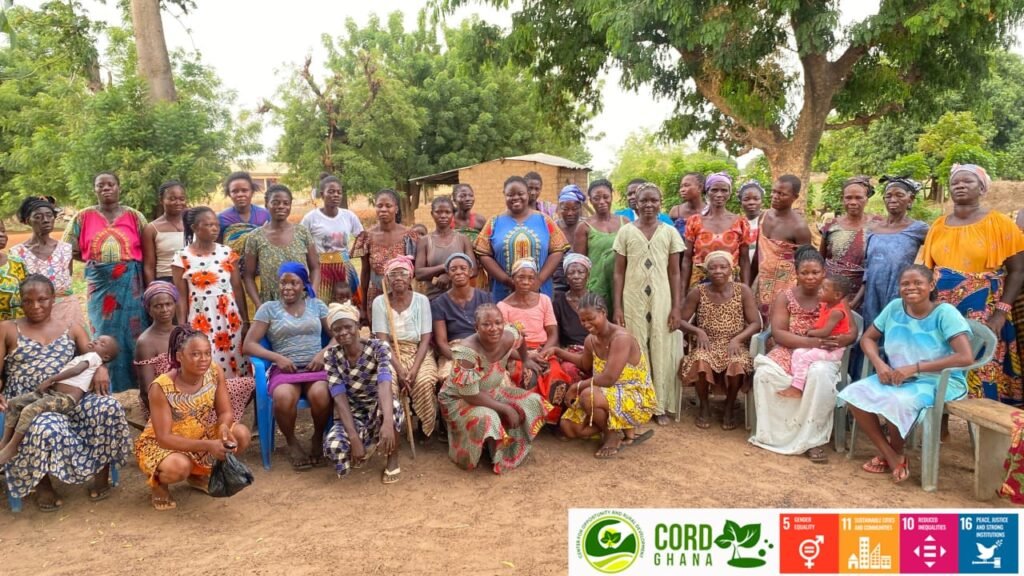
Unpaid care work refers to the essential, invisible labour, yet uncompensated, activities that sustain households and communities. This includes direct care for children, the elderly, and the sick, as well as domestic tasks like cooking, cleaning, and collecting water. While vital for society’s well-being, unpaid care work is disproportionately carried out by women and girls, creating significant inequalities and hindering progress toward the Sustainable Development Goals (SDGs). This work is typically performed by women and girls, and is often undervalued and unrecognized.
WHAT UNPAID CARE WORK ENTAILS?
Direct Care: Providing physical and emotional support to family members, friends, or community members, such as:
Childcare (feeding, bathing, homework help)
Eldercare (assisting with daily tasks, medication management)
Care for people with disabilities (physical assistance, emotional support)
Household Management: Managing and performing household tasks that support the well-being of family members, such as:
Cooking
Cleaning and maintaining the home
Laundry and managing household chores
Emotional Labour: Providing emotional support, counselling, and nurturing, such as:
Listening and offering advice
Managing family conflicts and relationships
Providing comfort and reassurance
Health Care: Providing basic medical care and health management, such as:
Administering medication
Monitoring health conditions
Managing health appointments
Organizational Tasks: Managing schedules, appointments, and daily routines, such as:
Planning and organizing family activities
Managing household budgets
Coordinating transportation and logistics
Although these activities have real costs in terms of time and energy, they are often overlooked in economic calculations because they are unpaid.
THE UNEQUAL BURDEN
Women worldwide perform a significantly larger share of unpaid care work than men. This unequal burden leads to:
Limited Economic Opportunities: Women have less time for paid work, education, and personal development.
Time Poverty: Women have less time for themselves, impacting their well-being and leisure.
Perpetuation of Gender Inequality: Reinforces traditional gender roles and limits women’s empowerment.
Impact on Health and Well-being: Physical and mental health consequences from excessive caregiving responsibilities.
Reduced Participation in Decision-Making: Limited time and energy for community and political engagement.
Educational Disadvantage: Girls may miss out on schooling due to care responsibilities.
UNPAID CARE WORK AND THE SDGS
Addressing unpaid care work is crucial for achieving the SDGs, especially:
SDG 5 (Gender Equality): Target 5.4 specifically calls for recognizing and valuing unpaid care through public services, infrastructure, social protection policies, and shared responsibility within households.
SDG 1 (No Poverty) & SDG 2 (Zero Hunger): Unpaid care work can perpetuate poverty, especially when it prevents women from earning income.
SDG 3 (Good Health and Well-being): The heavy burden of unpaid care can negatively affect women’s health.
SDG 4 (Quality Education): Girls may have limited access to education due to care responsibilities.
SDG 8 (Decent Work and Economic Growth): Unpaid care work restricts women’s economic opportunities and contributes to pay gaps.
STRATEGIES FOR CHANGE
A comprehensive approach is needed to address unpaid care work, based on recognizing, reducing, redistributing, and representing:
Recognize:Acknowledge the value of unpaid care work through data collection, research, and awareness campaigns.
Reduce:Invest in infrastructure, technology, and services that lessen the time and effort needed for care tasks (e.g., clean water, sanitation, childcare).
Redistribute:Promote shared responsibility for care work within households, communities, the state, and the private sector.
Represent:Ensure care workers have a voice in policy-making and are represented in social dialogue.
In conclusion, unpaid care work is a critical issue that demands serious attention. By recognizing its value, reducing its burden, and redistributing responsibilities equally, we can create a fairer and more sustainable world where everyone has the opportunity to take up responsibilities without being overburdened. Addressing unpaid care work is essential for achieving gender equality and realizing the broader vision of the SDGs.