
Savannah Rural Women Voices (SRWV)
The Savannah Rural Women Voices (SRWV) is a transformative, community-driven movement of rural women in Northern Ghana, dedicated to advancing ecological farming, gender equality, and sustainable rural livelihoods. Rooted in the conviction that “Rural women are the guardians of land, life, and future generations,” SRWV seeks to amplify women’s voices in agriculture, climate action, women rights and social transformation.
Northern Ghana, characterized by semi-arid climatic conditions, faces recurrent droughts, erratic rainfall, and declining soil fertility, all of which undermine agricultural productivity and household food security. These challenges are compounded by gender disparities in access to productive resources, limited rural infrastructure, and socio-cultural norms that constrain women’s participation in decision-making.
SRWV therefore provides a platform for collective advocacy, knowledge exchange, and grassroots action to promote climate-resilient farming, land rights, and gender justice. The Assembly aligns its initiatives with the Sustainable Development Goals (SDGs) – notably:
SDG 1 (No Poverty), SDG 2 (Zero Hunger), SDG 3 (Good Health and Well-being), SDG 5 (Gender Equality), SDG 8 (Decent Work and Economic Growth), SDG 10 (Reduced
Inequalities), SDG 13 (Climate Action), SDG 15 (Life on Land), and SDG 16 (Peace, Justice, and Strong Institutions)
Through integrated action, SRWV envisions a future where rural women’s leadership, knowledge, and innovations are central to sustainable food systems, environmental restoration, and inclusive local governance.
1. Agroecology, Seed Sovereignty, Food Sovereignty, and Bio-Inputs Agroecology for Climate Resilience (SDG 2 & 13)
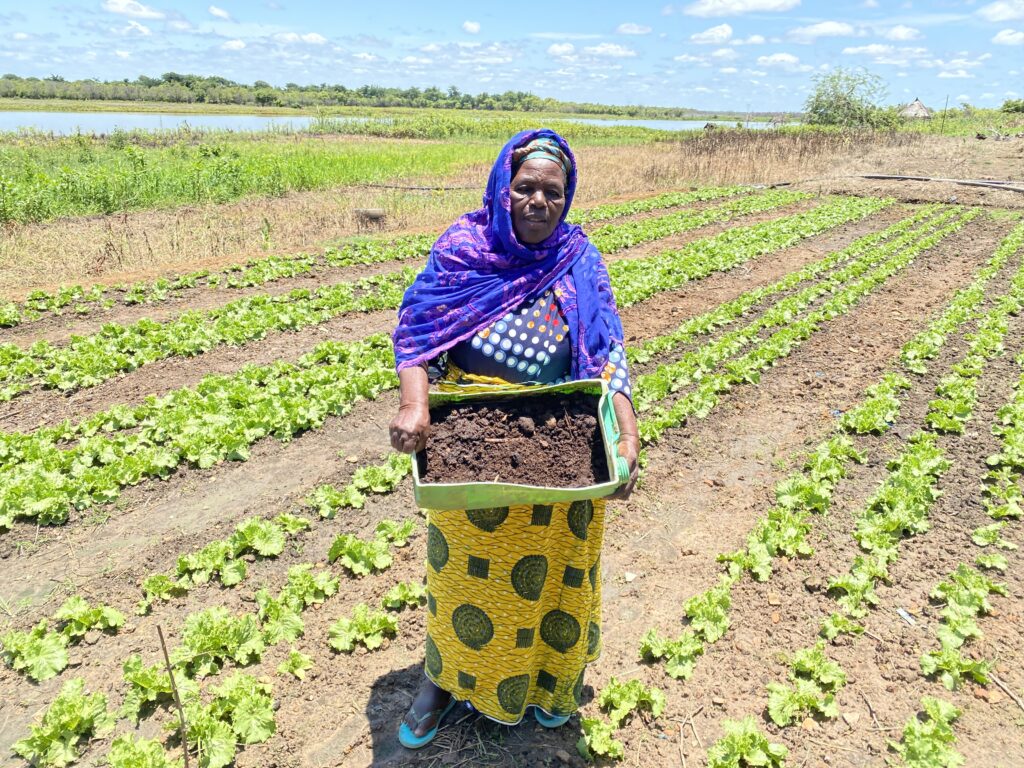
In the face of increasing climatic variability, SRWV promotes agroecology as a holistic approach to sustainable agriculture that integrates ecological principles, traditional knowledge, and community-based innovation. The Assembly organizes capacity-building workshops and demonstration farms that train women farmers on techniques such as Organic composting and soil fertility management, Crop diversification and intercropping, Water-harvesting and drought adaptation methods, and Agroforestry and integrated pest management.
These practices enhance soil health, conserve water, and improve productivity while reducing reliance on synthetic inputs. Agroecology not only strengthens climate resilience but also revitalizes traditional farming knowledge and local biodiversity.
Seed Sovereignty (SDG 2 & 15)
Recognizing the central role of women as custodians of seed diversity, SRWV champions seed sovereignty and the right of smallholder farmers to save, exchange, and control their own seeds. This initiative reduces dependence on imported hybrid and genetically modified seeds while preserving indigenous crop varieties adapted to local ecosystems.
Community-based seed banks are being established across districts to store and multiply resilient seed varieties such as millet, sorghum, cowpea, and groundnuts. Through seed fairs and exchange networks, women ensure that future generations retain access to diverse, climate-tolerant planting materials.
Food Sovereignty (SDG 2 & 12)
The Assembly promotes food sovereignty and the right of communities to define their own food systems and prioritize local production and consumption. By focusing on nutritious indigenous crops and culturally appropriate diets, SRWV strengthens household food security, improves nutrition outcomes, and supports local markets. Women farmers are encouraged to lead community food cooperatives that enhance market access, fair trade, and value addition.
Bio-Inputs for Sustainable Agriculture (SDG 12 & 13)
To reduce environmental degradation and production costs, SRWV trains rural women to produce bio-fertilizers, bio-pesticides, and compost manure using locally available organic materials. These low-cost innovations minimize chemical pollution, improve soil fertility, and promote ecological balance. In the long term, bio-input use contributes to healthier ecosystems and more sustainable rural economies.
2. Land Rights – Ensuring Women’s Access and Ownership to Productive Land
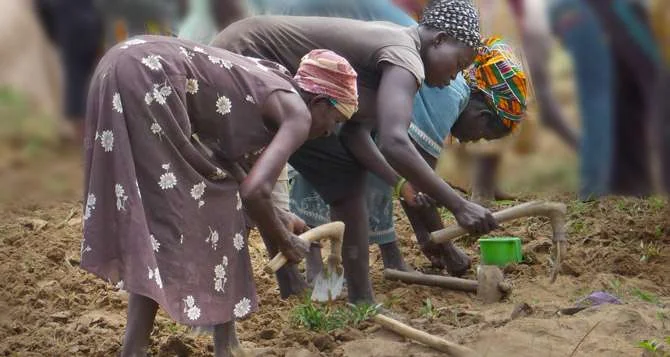
Access to and control over productive land remain critical determinants of women’s empowerment in Northern Ghana. Customary land tenure systems, however, often limit women’s ownership and inheritance rights. SRWV therefore advocates for gender-responsive land governance that upholds equity and justice in resource allocation.
Through community dialogues with traditional authorities, land commissions, and local government structures, the Assembly facilitates policy engagement and awareness creation on the socio-economic benefits of women’s land ownership. Evidence shows that when women have secure land tenure, agricultural productivity increases, children’s nutrition improves, and communities experience enhanced resilience against poverty and climate shocks.
SRWV also supports the formation of women-led cooperative groups to collectively lease or acquire farmland. These groups serve as models of inclusive rural development and demonstrate that empowering women with land access is not only a matter of equity but also an economic and environmental imperative.
3. Women’s Rights – Empowering Voices and Promoting Social Cohesion Empowerment and Leadership (SDG 5 & 16)
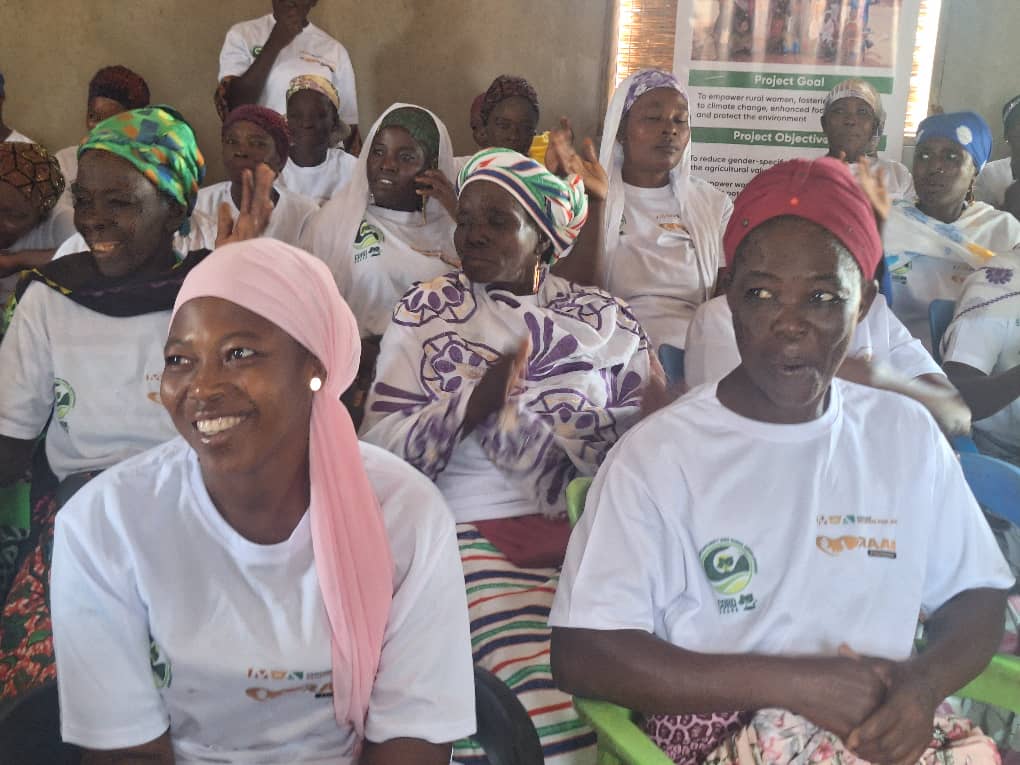
SRWV builds women’s leadership capacities to actively engage in local governance, policy advocacy, and environmental decision-making. Through training programs on feminist leadership, public speaking, and community mobilization, women are equipped to represent their communities in agricultural and climate dialogues.
These leadership platforms foster social cohesion, strengthen local democracy, and enhance women’s participation in peacebuilding, natural resource management, and community development planning.
Sexual and Reproductive Health and Rights (SRHR) (SDG 3 & 5)
Acknowledging that women’s empowerment is inseparable from their health and bodily autonomy, SRWV integrates Sexual and Reproductive Health and Rights (SRHR) education into its programs. In collaboration with health facilities and community health volunteers, the Assembly promotes awareness on:
- Family planning and birth spacing
- Maternal and adolescent health
- Menstrual hygiene management
- Prevention of early marriage and gender-based violence
These initiatives contribute to improved health outcomes, reduced maternal mortality, and increased participation of women and girls in education and community life.
Unpaid but Not Unvalued – Recognizing Women’s Care Work (SDG 5 & 8)
In rural households, women perform significant unpaid labor such as childcare, water collection, and domestic management. SRWV advocates for the recognition, reduction, and redistribution of unpaid care work through gender-sensitive social and economic policies.
By promoting access to clean energy, water infrastructure, and community childcare services, the Assembly seeks to alleviate women’s workloads and create more opportunities for education, entrepreneurship, and civic participation. Recognizing women’s care work is essential to building equitable and resilient communities.
Conclusion
The Savannah Rural Women Voices (SRWV) in Northern Ghana is more than a women’s movement, it is a catalyst for climate resilience, ecological sustainability, and social transformation. By placing rural women at the heart of the green transition, SRWV promotes systems that value traditional knowledge, restore ecosystems, and secure equitable livelihoods.
The Assembly’s integrated approach combining agroecology, food sovereignty, land rights, and gender justice embodies the spirit of the Sustainable Development Goals leaving no one behind. Through continued partnerships, advocacy, and grassroots empowerment, SRWV envisions a future where every rural woman in Ghana stands as a leader, innovator, and steward of the environment.
