
Thematic area
Environment
Climate, renewable energy, biodiversity, chemicals and waste, and the finance needed to protect the environment.
Overview
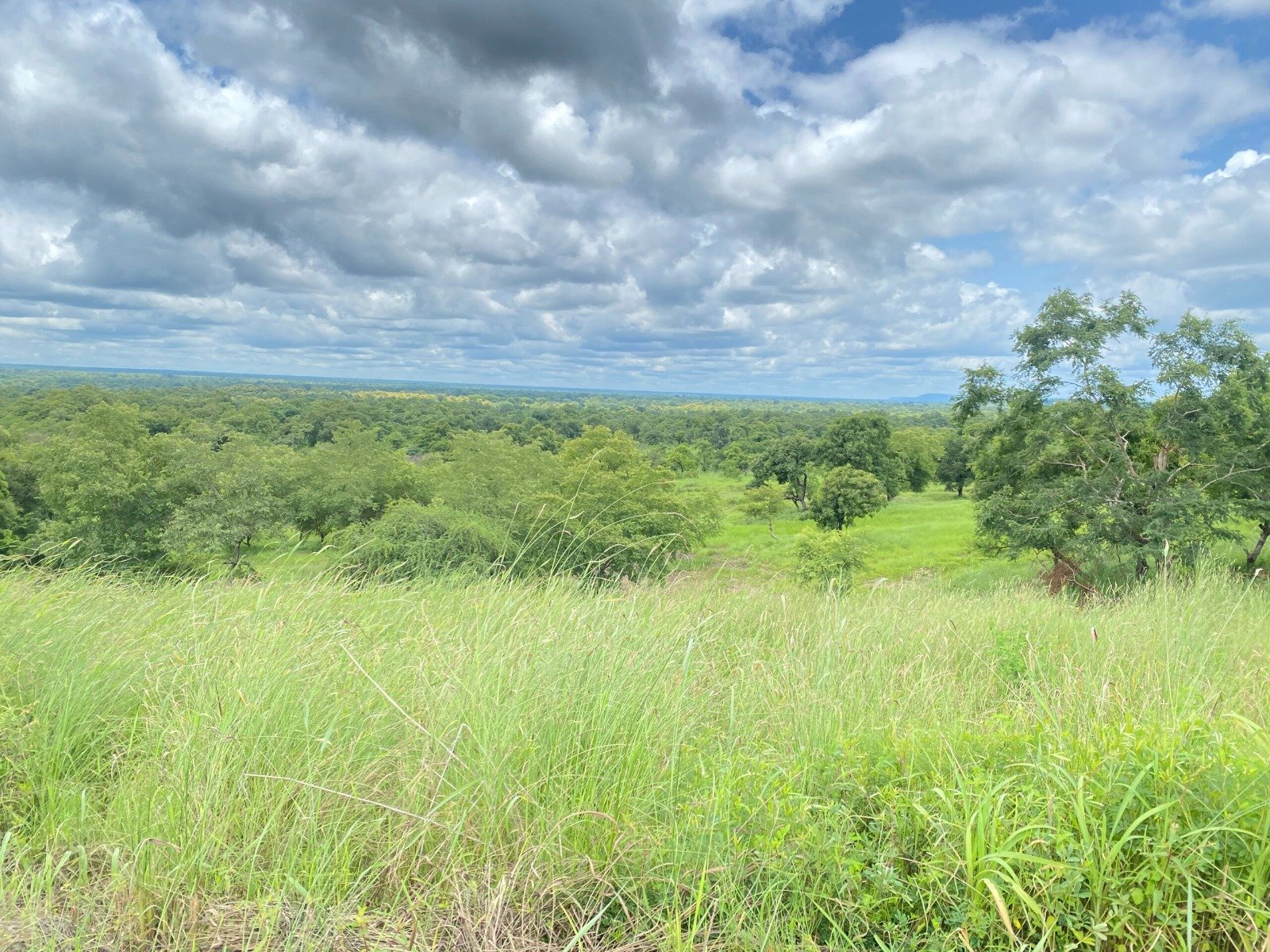
The environment is the surroundings or conditions in which living organisms, including humans and the interactions. It encompasses various components, including: Natural Environment: Air (atmosphere), Water (oceans, rivers, lakes, groundwater), Land (soil, terrain, ecosystems), Living organisms (plants, animals, microorganisms). Built Environment: Human-made structures (buildings, roads, bridges), Infrastructure (energy, transportation, communication systems). Social Environment: Human relationships and interactions, Cultural and socioeconomic factors, Community and societal structures. Ecosystem Services: Climate regulation, Air and water purification, Food production, Waste management, Recreation and tourism.
Environmental issues, such as pollution, climate change, and habitat destruction, can impact human well-being and the health of ecosystems. Key Environmental Concepts: Sustainability, Conservation, Biodiversity, Ecosystem balance, Environmental justice. Understanding the environment and its complexities is crucial for addressing environmental challenges and promoting a healthy, sustainable future.
Climate Change
Climate change is a huge challenge, but we already know many solutions. These can deliver economic benefits while improving our lives and protecting the environment. We also have global agreements to guide progress, such as the UN Framework Convention on Climate Change and the Paris Agreement. Three broad categories of action are: cut emissions, adapt to climate impacts and finance required adjustments.
Renewable Energy
There is no industrial, agricultural, health, domestic process that does not require a degree of external energy. Therefore, energy is the driving force towards economic and social development.
Switching energy systems from fossil fuels to renewables like solar will reduce the emissions driving climate change. But we have to start right now. While a growing coalition of countries is committing to net zero emissions by 2050, about half of emissions cuts must be in place by 2030 to keep warming below 1.5°C. Fossil fuel production must decline by roughly 6 percent per year between 2020 and 2030.
Biodiversity
Three-quarters of the land-based environment and roughly 66% of the ocean environment have been significantly altered. More than a third of the world’s land surface and nearly 75% of freshwater resources are now devoted to crop or livestock production. Climate change worsens the impact of other stressors on nature and our well-being. Humans have overfished the oceans, cleared forests, polluted our water sources, and created a climate crisis. These actions are impacting biodiversity around the world, from the most remote locales to our own backyards.
Chemicals and Waste
Sound management of chemicals underpin sustainable human development and the shift to circular economy. CORD supports the development, testing and uptake of sustainable cooling solutions. Chemicals are critical to the manufacture of many products and protection of human health and play an important role in the economy. However, without good management practices, chemicals and their hazardous wastes can pose significant risk to the environment and human health. Sound chemical and waste management could reduce the risk of exposure to hazardous chemicals and protect human health and environment.
Climate Finance
We can pay the bill now, or pay dearly in the future. Climate action requires significant financial investments by governments and businesses. But climate inaction is vastly more expensive.