
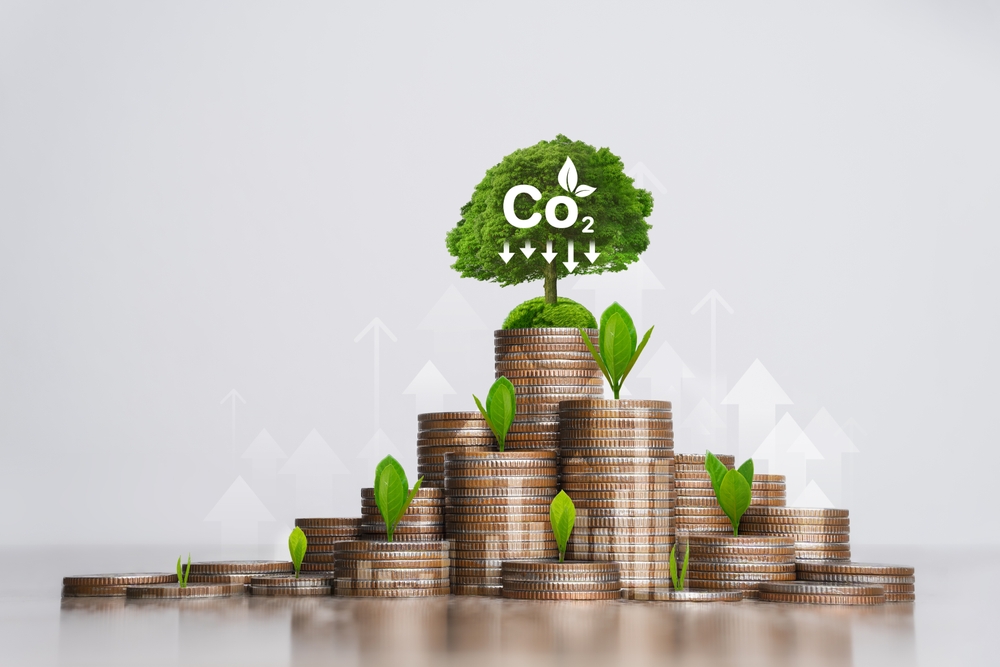
Climate finance is financial resources that are being allocated to activities which reduce the level of greenhouse gas emissions or enhance resilience against climate impacts and disaster risks, known respectively as mitigation and adaptation. These resources may be in the form of grants, loans, budget appropriations, public taxes or private sector investment; or they can also come together as a combination of these. In the case of Africa, climate finance is essential for addressing what are fast-becoming chronic vulnerabilities to droughts; floods; food insecurity and other disasters induced by an increasingly unstable climate. This is especially urgent as Africa emits relatively little (less than 4%) but disproportionately suffers from the consequences of climate change.
Why Climate Finance Is Important in Africa
The climate finance landscape in Africa suggests the urgency and persistence of funding gaps:
Climate change is already impacting agriculture, water security, public health and infrastructure, the report found — costing the continent billions in lost economic output each year and while putting agricultural and food systems at risk along with lives and livelihoods. The price of Africa’s climate plans, which include the Nationally Determined Contributions (NDCs) under the Paris Agreement, is high. Further estimates indicate that by 2030, Africa could need hundreds of billions of dollars each year to completely meet its adaptation and mitigation requirements.
Existing Climate Finance Flows: Achievements and Shortcomings
There are some hopeful signs of growth in climate finance for Africa but the efforts still come short to what is required:
Total climate finance into Africa rose by an estimated 48% in recent years, with up to about USD 44 billion in 2021-2022.
Investment by the private sector in projects to combat climate change doubled during this time, but remains a small part of the effort.
Institutions such as the African Development Bank are scaling up investments in projects that align with climate; in 2024, it approved roughly $5.5 billion of climate financing for renewable energy and green infrastructure and resilience initiatives.
Even with these increases, however, these financial flows are but a drop in the bucket of what is needed. In many countries, less than a quarter of the resources countries need have been mobilized for climate actions — and only small shares actually reach those societies and communities most at risk.
Key Challenges to Climate Finance in Africa
A number of obstacles at the systemic level affect the availability and access to climate finance:
Huge Funding Gap
The extent of climate finance available now is a fraction of what is required. Estimations suggest that Africa will need a sharp increase in annual flows of climate finance, perhaps up to four times as much by 2030 if they are to achieve NDC objectives.
Limited Access and Bureaucratic Barriers
African countries frequently face challenges in gaining access to global climate funds, because of overly-complicated application procedures, tight eligibility requirements and insufficient institutional capacity for packaging projects ready to finance.
Dependence on Debt
Most of the climate finance flowing to African states takes the form of loans, exacerbating existing high levels of national debt and fiscal challenges. This is troubling with regards to long-term sustainability and debt risk.
Weak Institutional and Financial Markets
Most financial institutions in Africa do not have the instruments, products or regulation needed to build green investment markets (like climate bonds or carbon credits), and high risks perceived by investors threaten capital flow.
Uneven Distribution
Climate finance is commonly concentrated between the world’s richest countries with many of those most vulnerable to climate change receiving far less support, widening inequality in building climate resilience.
Prospects for Scaled-Up Climate Finance
However, there are a number of opportunities that can facilitate the scaling up of climate finance in Africa:
De-risking Investments
Guarantees, blended-finance models and green banking tools can help de-risk investments for private financiers with public and development finance.
Strengthening Domestic Markets
Local financial products— including green bonds, climate insurance or community-based funds – could increase domestic climate investments and diminish the dependence on external ones.
Institutional Capacity Building
Strengthening the skills in project preparation, climate data systems and financial tracking would help countries to better access and efficiently manage funds under climate.
Aligning with Global Climate Goals
Continued engagement in climate negotiations, as seen at forums like the Africa Climate Summit and COP meetings, helps African leaders advocate for fairer finance, predictable flows, and investment partnerships that reflect the continent’s needs. 
Looking Forward
For Africa, climate finance is both a challenge and an opportunity. While the finance gap remains vast, innovative partnerships, private sector engagement, and stronger institutional readiness can help reshape Africa’s climate finance ecosystem. Closing the funding gap is not just about numbers — it’s about enabling sustainable development, enhancing resilience, and ensuring that communities across the continent can thrive despite the realities of climate change.
