
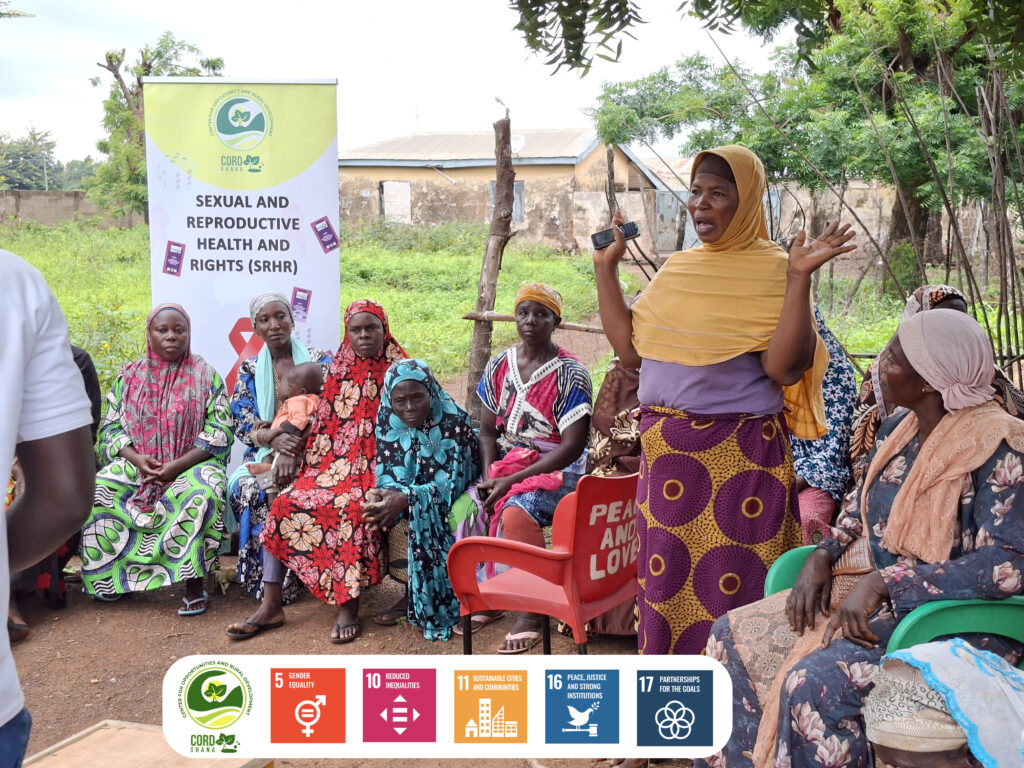
Sexual and Reproductive Health and Rights (SRHR) are fundamental human rights for every individual regardless of their status. However, people with disabilities who constitute a significant portion of the global population often face considerable obstacles in accessing SRHR information, services, and exercising their reproductive rights. These barriers arise from societal attitudes, inaccessibility, and discrimination. Mainstreaming disability inclusion in SRHR programs requires a comprehensive approach that involves healthcare providers, policymakers, persons with disabilities, and communities. This article explores the importance of disability inclusion in SRHR, the challenges faced by people with disabilities, and strategies for promoting equitable access and realization of their SRHR.
Around the world, people with disabilities share similar experiences when it comes to sexual and reproductive health. Whether in low-income or high-income countries, many are still excluded from information, services, and decision-making about their own bodies. Women and girls with disabilities, in particular, face a much higher risk of sexual and gender-based violence, forced sterilization, and denial of reproductive choice. These global patterns show that disability exclusion in SRHR is not a local issue, but a shared challenge that cuts across regions, cultures, and health systems.
For too long, disability has meant invisibility in conversations around sexual and reproductive health and rights (SRHR). Societal silence, negative attitudes, and systemic barriers have limited access to essential services and undermined the dignity and autonomy of people with disabilities. Addressing these gaps requires intentional efforts to mainstream disability inclusion across SRHR programs, policies, and practices.
Several key strategies have been identified for promoting disability-inclusive SRHR:
Ensuring that individuals with disabilities have access to comprehensive Sexual and Reproductive Health and Rights (SRHR) services is a critical aspect of promoting their overall well-being and dignity. People with disabilities face multiple and intersecting challenges in accessing Sexual and Reproductive Health and Rights (SRHR). These include physical barriers such as inaccessible health facilities, communication barriers like the absence of sign language interpreters or materials in accessible formats, and attitudinal barriers from healthcare providers who may lack training or hold discriminatory beliefs. Economic constraints and restrictive laws further compound these challenges, increasing vulnerability to poor health outcomes, abuse, and rights violations. To address these challenges, several key strategies have been identified for promoting disability-inclusive SRHR.
First and foremost, accessibility is the foundation of disability-inclusive SRHR and therefore makes it crucial. SRHR information, services, and facilities must be physically, economically, and informationally accessible to people with disabilities. This includes providing materials in accessible formats, such as Braille or audio descriptions, training healthcare providers on disability awareness and communication, and making reasonable accommodations to ensure that individuals with disabilities can access SRHR services without facing unnecessary obstacles.
Comprehensive sexuality education is another essential component of disability-inclusive SRHR. People with disabilities have the right to receive age-appropriate, comprehensive sexuality education that addresses topics such as relationships, consent, contraception, and prevention of sexually transmitted infections (STIs). This education should be tailored to meet the diverse needs of individuals with disabilities, taking into account their unique experiences and perspectives.
Capacity building is also critical in promoting disability-inclusive SRHR. Healthcare providers, community health workers, and disability service providers must be trained on disability-inclusive SRHR, focusing on respectful and non-discriminatory care. This training should emphasize the importance of dignity, autonomy, and self-determination in SRHR decision-making, ensuring that individuals with disabilities receive high-quality care that meets their specific needs.
Empowerment and participation are also vital strategies for promoting disability-inclusive SRHR. People with disabilities and their representative organizations should be involved in the design, implementation, and monitoring of SRHR programs and policies. This ensures that SRHR services are tailored to meet the diverse needs of individuals with disabilities, addressing the specific challenges and barriers they face.
Policy and legal reform is another essential aspect of promoting disability-inclusive SRHR. Governments and policymakers must advocate for the inclusion of disability rights in SRHR policies and laws, ensuring that people with disabilities have equal access to SRHR services and can exercise their reproductive rights. This includes reviewing and revising existing laws and policies to remove discriminatory provisions and ensure that they align with the United Nations Convention on the Rights of Persons with Disabilities (CRPD).
Collecting disability-disaggregated data on SRHR indicators is also crucial for monitoring progress and identifying gaps in service delivery. This data can inform policy and programmatic decisions, ensuring that SRHR services are tailored to meet the diverse needs of individuals with disabilities.
Partnerships and collaboration are also essential in promoting disability-inclusive SRHR. SRHR organizations, disability organizations, and other stakeholders must work together to promote a coordinated and comprehensive approach to disability-inclusive SRHR. This includes fostering partnerships between healthcare providers, community-based organizations, and disability-led organizations to ensure that SRHR services are accessible, acceptable, and effective for individuals with disabilities.
Finally, addressing stigma and discrimination is critical in promoting disability-inclusive SRHR. Communication campaigns can challenge negative attitudes and stereotypes about disability and sexuality, promoting a culture of respect, dignity, and inclusivity. By working together, we can create a world where individuals with disabilities have equal access to SRHR services and can exercise their reproductive rights without facing stigma, discrimination, or barriers.
This conversation is closely linked to the Sustainable Development Goals, especially SDG 5 on gender equality. SDG 5 calls for an end to all forms of violence against women and girls, including sexual and gender-based violence. For women and girls with disabilities, the risk of abuse is often higher, while access to support services is lower. Making SRHR inclusive of disability is therefore not optional. It is a necessary step toward preventing violence, supporting survivors, and protecting bodily autonomy.
Other SDGs also connect directly to this issue. SDG 3 focuses on good health and well-being, including access to sexual and reproductive health services. SDG 10 reminds us to reduce inequalities, especially for groups that are often left behind. SDG 16 highlights the need for justice and protection for people who experience violence. Together, these global goals reinforce a simple message: addressing sexual and gender-based violence and advancing SRHR must include people with disabilities if progress is to be real and lasting.
In conclusion, promoting disability-inclusive SRHR requires a multifaceted approach that addresses the diverse needs of individuals with disabilities. By prioritizing accessibility, comprehensive sexuality education, capacity building, empowerment and participation, policy and legal reform, data collection and monitoring, partnerships and collaboration, and addressing stigma and discrimination, we can work towards a world where individuals with disabilities can enjoy their SRHR without facing unnecessary obstacles or barriers.
