
Thematic area
Water Sanitation and Hygiene (WASH)
WASH is critical for human health, dignity, and well-being, and is closely linked to other development areas like health, education, and poverty reduction.
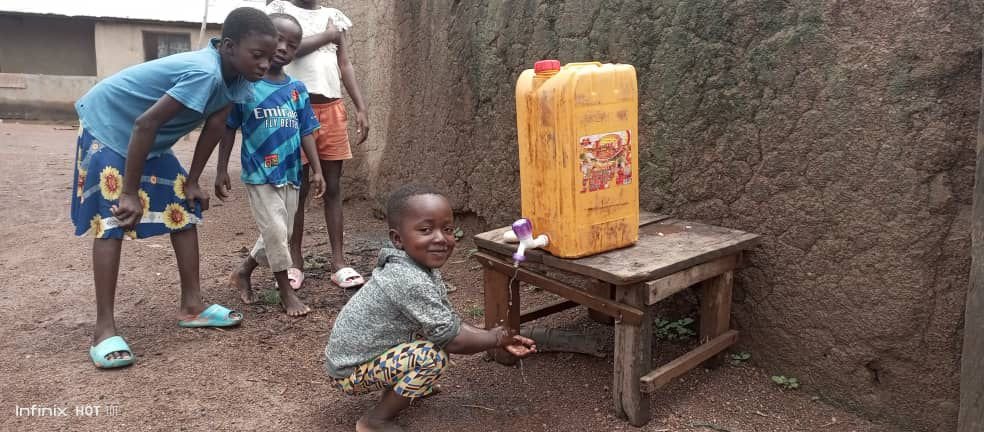
Overview
WASH is critical for human health, dignity, and well-being, and is closely linked to other development areas like health, education, and poverty reduction.
- Universal Declaration of Human Rights (1948): Article 25 recognizes the right to a standard of living adequate for health and well-being, including access to water and sanitation.
- International Covenant on Economic, Social and Cultural Rights (1966): Article 11 recognizes the right to an adequate standard of living, including access to water and sanitation.
- Convention on the Rights of the Child (1989): Article 24 recognizes the right to health, including access to clean water and sanitation.
- Convention on the Elimination of All Forms of Discrimination against Women (1979): Article 14 recognizes the right to access to water and sanitation.
- United Nations Sustainable Development Goals (2015): Goal 6 specifically aims to ensure universal and equitable access to safe and affordable drinking water, sanitation, and hygiene.
- Human Right to Water and Sanitation (2010): Recognized by the United Nations General Assembly as a human right essential for the full enjoyment of life and all human rights.
These emphasize the importance of access to safe and clean water, sanitation, and hygiene as a fundamental human right, essential for human well-being, dignity, and sustainable development.